Last updated: August 2026
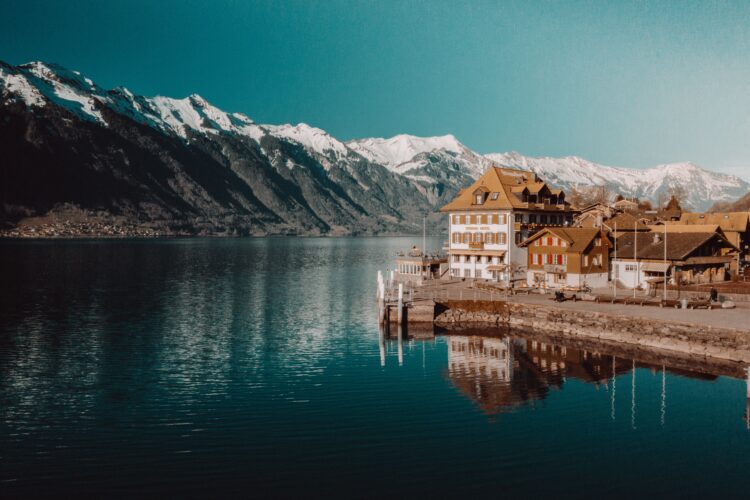
Switzerland has long stood as the benchmark for refined travel. Between snow-dusted peaks, glassy lakes, and cities where precision engineering meets old-world charm, the country offers a rare blend of natural grandeur and understated sophistication. For travelers seeking five-star hotels, Michelin-starred dining, private chalets, and experiences money can’t easily buy elsewhere, Switzerland remains one of the world’s premier luxury destinations. This guide walks through the country’s most exclusive towns, resorts, and experiences, and offers practical guidance for planning a high-end Swiss getaway.
Why Switzerland Commands the Luxury Travel Conversation
Switzerland’s reputation for luxury isn’t manufactured — it’s the product of geography, history, and culture converging. The country sits at the crossroads of French, German, and Italian influence, giving its luxury scene a cosmopolitan edge that few Alpine destinations can match. Add to that a century-old tradition of hospitality (the modern hotel industry itself has deep Swiss roots), impeccable infrastructure, and some of the most dramatic mountain scenery on Earth, and it’s easy to see why royalty, celebrities, and discerning travelers have chosen Switzerland as a retreat for generations.
Beyond the obvious appeal of ski resorts and lakeside villas, Switzerland also offers extraordinary train journeys, wellness retreats built around natural thermal springs, world-class art and watchmaking heritage, and a farm-to-table culinary scene that rivals anything in France or Italy. Luxury here isn’t only about price tags — it’s about precision, privacy, and an unhurried sense of quality.
St. Moritz: The Original Alpine Playground
No conversation about luxury in Switzerland begins anywhere but St. Moritz. Nestled in the Engadin Valley at nearly 1,800 meters, this resort town has hosted the Winter Olympics twice and has been a magnet for European aristocracy since the 19th century. St. Moritz practically invented the concept of winter tourism as leisure rather than necessity.
The town’s ski slopes are legendary, but St. Moritz’s real signature is its blend of sport and spectacle. The Cresta Run, a natural ice skeleton-racing track, has operated continuously since 1884 and remains a rite of passage for thrill-seeking guests of its exclusive member clubs. In February, the frozen lake becomes the stage for polo matches and horse racing on snow — events that draw a crowd as interested in champagne and cashmere as in sport.
Accommodation in St. Moritz sets the tone for the rest of the country. Storied properties here have hosted world leaders and film stars for decades, offering ski-in/ski-out access, private butler service, and spa facilities built around the region’s mineral-rich waters. Dining runs from Michelin-starred fine dining rooms to intimate mountain huts accessible only by sleigh or snowcat, where three-course lunches are served at 2,000 meters with panoramic valley views.
Summer in St. Moritz is quieter but no less indulgent — think lakeside golf, hiking trails that open onto glacier views, and a lighter, sun-drenched version of the same five-star service.
Gstaad: Discreet Glamour in the Bernese Oberland
If St. Moritz is theatrical, Gstaad is intentionally understated. This chalet-studded village in the Bernese Oberland has cultivated a reputation as the preferred hideaway for people who don’t want to be found — a quiet magnet for old money, tech founders, and European royalty who value privacy over visibility.
Gstaad’s charm lies in its restraint. Wooden chalets with dark timber facades and flower-box windows line narrow streets that ban most car traffic in the historic core. Yet behind this rustic exterior sits some of the most expensive real estate and hospitality in the world. Boutique hotels here specialize in near-invisible service: guests can ski private slopes, dine in wood-paneled rooms with roaring fireplaces, and retreat to spa suites carved into the mountainside without ever encountering a crowd.
The Gstaad region connects to a broader ski network spanning multiple villages, offering more terrain diversity than its compact size suggests. In summer, the surrounding pastures — postcard-perfect with grazing cows and wildflowers — host outdoor concerts, polo tournaments, and tennis events that draw international audiences while keeping the same low-key sensibility.
Zermatt: The Matterhorn’s Car-Free Kingdom
Zermatt occupies a category of its own. Sitting in the shadow of the Matterhorn — arguably the most photographed mountain on Earth — this car-free village blends serious alpinism with five-star comfort. Visitors arrive by train or electric taxi, and the absence of combustion engines gives the entire town an unusually peaceful, almost storybook atmosphere despite its global fame.
Zermatt’s ski area is one of the largest and highest in Europe, with terrain crossing into Italy and glacier skiing available even in summer months. Luxury hotels here often position themselves for direct Matterhorn views, with rooftop infinity pools and spa terraces designed specifically to frame the mountain at sunrise, when its peak glows orange in a phenomenon locals call “alpenglow.”
The dining scene has grown remarkably sophisticated for a town of Zermatt’s size, with several Michelin-starred kitchens working alongside traditional Walliser restaurants serving raclette and dried alpine meats. For travelers seeking adventure alongside comfort, Zermatt offers heli-skiing, mountaineering expeditions with certified guides, and one of the most scenic train routes in the world — the Gornergrat Bahn, which climbs to over 3,000 meters for uninterrupted views of more than two dozen peaks above 4,000 meters.
Verbier: Where Off-Piste Meets Après-Ski Energy
Verbier, in the canton of Valais, draws a younger, more athletic luxury crowd than St. Moritz or Gstaad. Known internationally for its extreme off-piste terrain and as a fixture on the Freeride World Tour circuit, Verbier attracts serious skiers who also expect serious comfort at the end of the day.
The village’s luxury chalets are famous in their own right — many rival boutique hotels in scale, with private cinemas, indoor pools, and staff-to-guest ratios that make five-star hotels look modest by comparison. Verbier’s après-ski culture is livelier and more social than the reserved elegance of Gstaad, with rooftop bars and terrace lounges that stay animated well into the evening.
Beyond skiing, Verbier has become a summer destination too, hosting a well-regarded classical music festival that draws world-class musicians and a mountain-biking scene that takes advantage of extensive lift-served trail networks.
Lake Geneva Region: Montreux, Lausanne, and Genève
The shores of Lake Geneva offer a different flavor of Swiss luxury — one built around water, gardens, and a Belle Époque architectural legacy rather than snow.
Montreux, famous for its jazz festival and mild microclimate, is lined with palm trees and grand lakeside hotels that have hosted musicians and writers for over a century. The town’s most storied hotel property overlooks the water with views toward the Château de Chillon, a medieval castle rising directly from the lake that remains one of the most visited historic sites in the country.
Lausanne, Switzerland’s Olympic capital, combines a hillside old town with waterfront glamour in its Ouchy district. The city’s luxury hotels here mix contemporary design with lake views, and its dining scene benefits from proximity to Vaud’s vineyard region, one of Switzerland’s most respected wine-producing areas.
Geneva rounds out the region as the country’s most international city — home to the United Nations’ European headquarters, a historic watchmaking and jewelry industry, and a shopping district along the Rue du Rhône that ranks among the most expensive retail streets in the world. Geneva’s luxury hotels cater heavily to business and diplomatic travelers, offering the kind of discretion and service standards that come from decades of hosting high-profile guests.
Lucerne: Old-World Charm on a Postcard Lake
Lucerne offers travelers a gentler entry point into Swiss luxury — a city where medieval architecture, covered wooden bridges, and mountain backdrops combine without the isolation of a ski resort. Its lakeside promenade is anchored by grand hotels dating to the 19th century, several of which have preserved their original façades while modernizing interiors to contemporary five-star standards.
Lucerne serves as an ideal base for day trips to nearby peaks like Mount Pilatus and Rigi, both accessible via historic cogwheel railways and cable cars that count as attractions in their own right. The city’s compact old town, with its frescoed buildings and boutique shopping, rewards travelers who prefer culture and walkability over remote alpine seclusion.
Andermatt: Switzerland’s Newest Luxury Frontier
Andermatt represents the newest chapter in Swiss luxury development. Once a quiet military and transit town in the central Alps, it has been transformed over the past decade by a major resort investment that added a large ski area, a golf course, luxury residences, and a striking modern hotel anchoring the village center.
What makes Andermatt notable is its blend of old and new: centuries-old stone architecture sits alongside contemporary hotel towers, and the surrounding ski terrain connects to nearby Sedrun, creating one of the larger interconnected ski areas in central Switzerland. Because the destination is younger than St. Moritz or Zermatt, it tends to feel less crowded, appealing to travelers who want five-star infrastructure without decades of established tourist traffic.
Beyond the Slopes: Wellness, Rail, and Culinary Luxury
Switzerland’s luxury appeal extends well past its resort towns.
Thermal spas built around natural mineral springs are a centerpiece of Swiss wellness culture, particularly in regions like Valais and Graubünden, where architecture-forward bathing complexes combine geothermal water with mountain views. Some of these spas date back to Roman times and have been continuously developed into contemporary wellness destinations.
Scenic rail journeys are, for many travelers, the definitive luxury experience in Switzerland. Routes connecting the German-speaking north to the Italian-speaking south cross viaducts, spiral tunnels, and high alpine passes, often with panoramic glass-roofed carriages and dining service that rivals any restaurant. These journeys let travelers experience multiple luxury regions — from Lake Geneva to St. Moritz, for instance — without ever needing to drive.
Culinary tourism has grown into its own draw, with the country holding one of the highest concentrations of Michelin-starred restaurants per capita in Europe. Swiss chefs increasingly champion hyper-local ingredients: alpine cheeses, lake fish, foraged herbs, and heritage grains sourced from farms within view of the dining room.
Watches and jewelry remain an inseparable part of the luxury identity. Geneva and the Jura region form the historic heart of Swiss watchmaking, and many maisons offer private atelier visits or bespoke commissioning experiences for serious collectors — an increasingly popular add-on for high-end itineraries.
When to Visit for the Best Luxury Experience
Switzerland’s luxury calendar essentially runs in two seasons. Winter, from December through March, is peak season in the Alpine resorts — St. Moritz, Zermatt, Gstaad, and Verbier are all busiest and most expensive during this window, particularly around the Christmas and New Year holidays. Snow reliability is highest at this time, and resort towns operate at full capacity, from ski schools to nightlife.
Summer, from June through September, transforms the same regions into hiking, golfing, and lake-adjacent retreats, generally at a gentler pace and often with better hotel availability. Lake Geneva and Lucerne are particularly appealing in summer, when outdoor terraces and boat excursions come into their own. Shoulder seasons — late spring and early autumn — offer a compelling middle ground: fewer crowds, lower rates at many properties, and landscapes in transition that photographers particularly favor.
Practical Tips for Planning a Luxury Swiss Trip
Book well ahead for peak weeks. Christmas, New Year, and February school holidays fill Switzerland’s top resorts months in advance, especially for chalets and marquee hotel suites.
Consider a multi-destination itinerary. Switzerland’s compact size and excellent rail network make it easy to combine a lake city like Geneva or Lucerne with a mountain resort like Zermatt or St. Moritz in a single trip, without long transfer times.
Factor in altitude and weather. Higher-altitude resorts like St. Moritz and Zermatt can be significantly cooler than lakeside cities even in summer, so pack layers regardless of season.
Private transfers and helicopter transport are widely available between major luxury destinations and can meaningfully cut travel time, particularly during winter when road conditions in mountain passes can be unpredictable.
Currency and costs. Switzerland operates on the Swiss franc, and prices — even outside luxury categories — tend to run higher than neighboring countries. Building a buffer into any budget for dining and incidentals is generally wise.
Final Thoughts
Switzerland’s luxury landscape isn’t a single experience but a mosaic of distinct personalities: the theatrical glamour of St. Moritz, the discreet exclusivity of Gstaad, the iconic alpine drama of Zermatt, the athletic energy of Verbier, the Belle Époque elegance of Lake Geneva, the old-world charm of Lucerne, and the modern ambition of Andermatt. What ties them together is a consistent commitment to precision, quality, and understated confidence — values as central to Swiss hospitality as they are to its watchmaking or its banking.
For travelers willing to invest in the experience, Switzerland rewards with a rare combination: dramatic natural beauty paired with a level of service and infrastructure that rarely misses a beat. Whether the goal is skiing some of Europe’s best terrain, soaking in a mountain-view thermal pool, or simply watching the alpenglow settle over the Matterhorn from a hotel terrace, Switzerland remains, by nearly every measure, one of the finest luxury destinations on Earth.