Last updated: August 2026
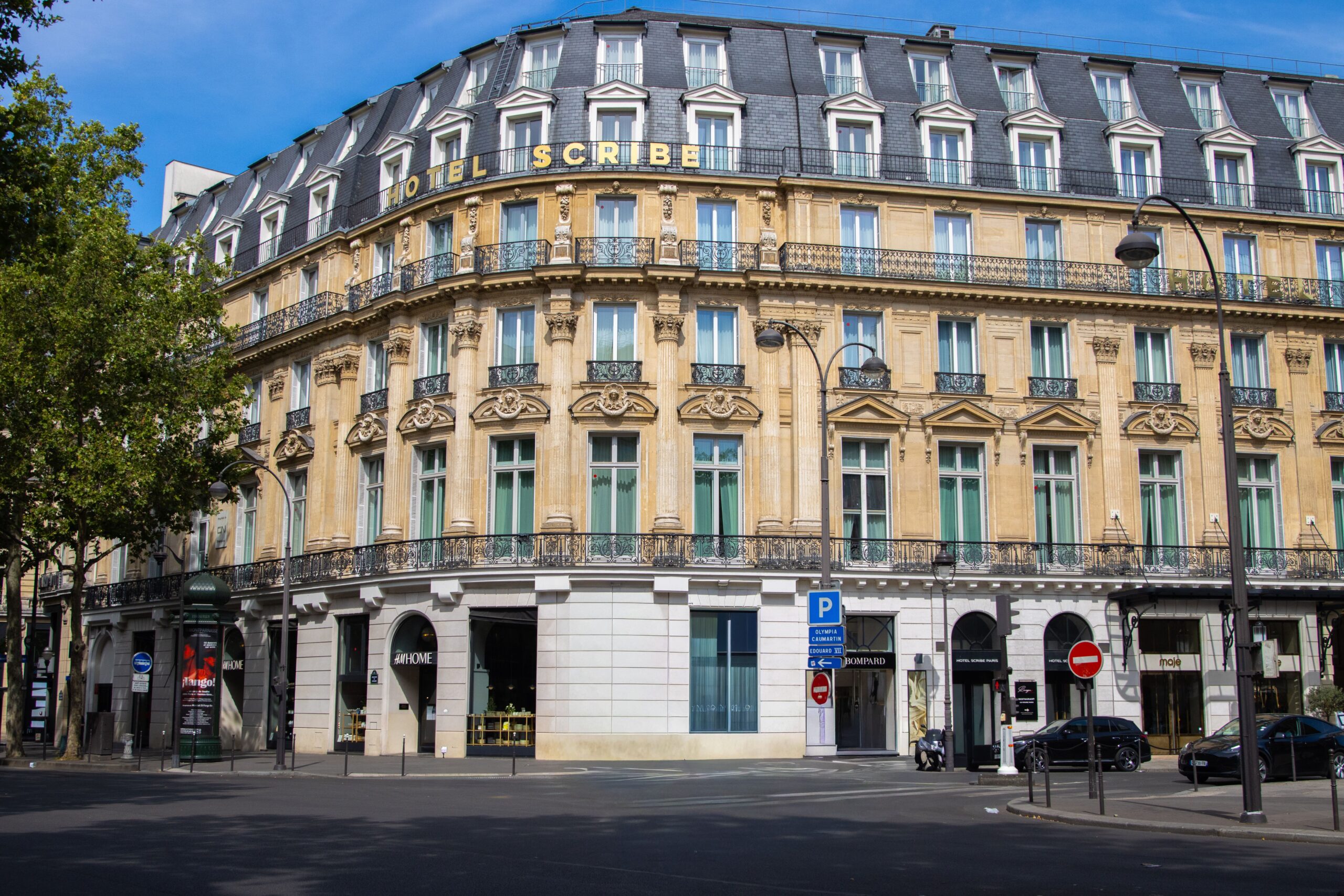
Paris has been synonymous with luxury hospitality for well over a century. The city practically invented the modern grand hotel, and its finest addresses have hosted royalty, artists, diplomats, and film stars since the Belle Époque. Today, Paris’s luxury hotel scene blends that storied heritage with contemporary design, wellness culture, and some of the most decorated restaurants in the world. This guide walks through the city’s most celebrated luxury neighborhoods and hotel categories, along with practical advice for planning a high-end Parisian stay.
Why Paris Remains a Benchmark for Hotel Luxury
Paris’s claim to luxury hospitality isn’t a marketing invention — it’s historical fact. The city gave rise to the “palace hotel” category in the 19th century, when properties near the Place Vendôme and along the Champs-Élysées began offering standards of service, architecture, and discretion that redefined what travelers expected from accommodation. France later formalized this legacy with an official “Palace” distinction, a designation awarded only to a select group of hotels that meet exceptional standards of heritage, service, and architectural significance — a rating above the standard five-star classification.
Beyond formal distinctions, Paris’s luxury hotel culture benefits from the city itself: unmatched art and architecture, a fine-dining scene anchored by some of the highest concentrations of Michelin stars in the world, and a shopping landscape that includes both historic ateliers and modern flagship boutiques. Staying in one of Paris’s great hotels isn’t simply about the room — it’s about being embedded in a citywide culture of craftsmanship and detail.
The Golden Triangle: Champs-Élysées, Avenue Montaigne, and George V
Paris’s so-called Golden Triangle — bounded by the Champs-Élysées, Avenue Montaigne, and Avenue George V — is the beating heart of the city’s luxury hotel scene. This is where haute couture houses, private jewelers, and some of the most storied hotel names in the world converge within a few walkable blocks.
Hotels in this district are defined by a particular kind of grandeur: marble lobbies filled with fresh floral arrangements changed multiple times a week, courtyard gardens hidden behind imposing stone façades, and spa facilities that rival dedicated wellness resorts. Several properties here hold France’s official Palace distinction, and their restaurants regularly appear among the most awarded in the city, with some holding multiple Michelin stars under chefs who’ve become culinary institutions in their own right.
Guests staying in the Golden Triangle are within walking distance of the Champs-Élysées’ flagship boutiques, the Seine’s Right Bank views, and a dense concentration of art galleries and private members’ clubs. The district’s hotels tend to cater to travelers who want to be at the absolute center of Paris’s luxury retail and dining culture, with round-the-clock concierge service built around securing hard-to-get reservations and access.
Place Vendôme and Rue Saint-Honoré: Jewelry, Fashion, and History
A short walk from the Golden Triangle, the Place Vendôme district anchors another cluster of Paris’s most legendary hotels. This octagonal square, ringed by the flagship boutiques of the world’s most recognizable jewelry and watch houses, has been a symbol of French luxury since the 17th century, and its hotels have absorbed that same sense of permanence and prestige.
Several of the hotels surrounding Place Vendôme are among the most historically significant in the world, having hosted literary figures, film stars, and heads of state for generations. Their interiors often preserve original 18th-century architectural details — gilded moldings, painted ceilings, and antique furnishings — while their bars and restaurants remain fixtures of Parisian social life independent of hotel guests.
Nearby, the Rue Saint-Honoré and Rue de Rivoli add a slightly more contemporary energy, with boutique luxury hotels blending historic buildings with modern interior design. This area offers easy access to the Tuileries Garden, the Louvre, and the Palais Royal, making it a favorite base for travelers who want proximity to major museums alongside high-end shopping.
Saint-Germain-des-Prés: Left Bank Sophistication
The Left Bank’s Saint-Germain-des-Prés district offers a different register of Parisian luxury — more literary, more intimate, and historically associated with the artists, writers, and philosophers who filled its cafés throughout the 20th century. Luxury hotels here tend to be smaller and more design-focused than their Right Bank counterparts, favoring intimate courtyards, curated art collections, and a quieter, more residential atmosphere.
This district rewards travelers who want to feel embedded in a specific Parisian identity rather than staying at the center of the tourist map. Its streets are lined with independent galleries, antique dealers, and some of the city’s most beloved bistros alongside a growing number of destination restaurants. Evenings here tend to center on candlelit dinners and hotel bars with a more clubby, conversation-driven energy than the grander lounges of the Golden Triangle.
Saint-Germain’s proximity to the Musée d’Orsay, the Luxembourg Gardens, and Notre-Dame makes it an excellent base for travelers prioritizing culture and walkability, while its hotel scene has increasingly added serious spa and wellness offerings to compete with the more traditional palace properties across the river.
Île Saint-Louis and Marais: Boutique Charm in Historic Paris
For travelers seeking luxury on a more intimate scale, the Marais district and the tiny Île Saint-Louis offer some of the city’s most distinctive boutique hotels. Housed in restored 17th-century mansions and townhouses, these properties trade grand scale for architectural character — exposed stone walls, private courtyards, and interiors that blend historic bones with contemporary design.
The Marais itself has become one of Paris’s most dynamic neighborhoods, home to a dense concentration of art galleries, independent designer boutiques, and some of the city’s most talked-about new restaurants. Its luxury hotels tend to attract travelers who want a more design-forward, less formal experience than the palace hotels of the Right Bank, while still offering high-touch personal service.
Île Saint-Louis, the smaller of the Seine’s two islands, offers an even quieter alternative — a handful of boutique hotels tucked along cobblestone streets just steps from Notre-Dame, with river views and a village-like atmosphere rare to find this close to the city center.
Trocadéro and the 16th Arrondissement: Views and Residential Elegance
Hotels around the Trocadéro, in Paris’s elegant 16th arrondissement, offer something the Golden Triangle and Place Vendôme cannot: direct views of the Eiffel Tower across the Seine. This residential district, home to some of the city’s grandest Haussmannian architecture, has become an increasingly popular base for travelers prioritizing space, quiet, and iconic views over immediate proximity to shopping.
Several hotels here have built rooftop terraces and restaurant spaces specifically oriented toward Eiffel Tower sightlines, particularly striking at night when the tower’s hourly light display illuminates the skyline. The district’s wide boulevards and proximity to the Bois de Boulogne also make it appealing for travelers who want a slightly more residential, less densely touristed base while remaining a short taxi or metro ride from the city center.
Signature Experiences: Dining, Spas, and Parisian Ritual
Paris’s luxury hotels distinguish themselves as much through experience as through architecture.
Fine dining is central to the city’s grand hotel culture, with many of Paris’s most decorated restaurants operating inside hotel walls rather than as standalone establishments. Multiple Michelin-starred dining rooms across the city’s Palace hotels have become destinations in their own right, drawing diners who aren’t even staying as guests.
Spa and wellness facilities have expanded dramatically over the past two decades, with several palace hotels partnering with major beauty and skincare houses to create signature treatments available nowhere else. Many properties now include extensive pool and hammam facilities, a departure from the more modest spa offerings of decades past.
Afternoon tea, a tradition Paris’s grand hotels adopted and refined into their own art form, remains a beloved ritual, typically served in opulent lobby lounges accompanied by pastries crafted by the hotel’s own pastry chef — often a celebrated figure in their own right.
Hotel bars hold a special place in Parisian social life, with several ranking among the most awarded cocktail bars in the world. Many of these bars have decades — sometimes over a century — of continuous operation, having served as literary and artistic gathering points long before the current era of craft cocktail culture.
Personal shopping and concierge services are a hallmark of the city’s top hotels, with dedicated staff able to arrange private after-hours shopping appointments at nearby ateliers, tickets to sold-out cultural events, or bespoke city tours led by art historians and local experts.
When to Visit for the Best Luxury Experience
Paris’s luxury hotel scene operates on a fairly steady calendar, though certain periods bring particular energy — and particular demand. Spring, from April through June, is considered one of the most desirable times to visit, with mild weather and gardens across the city in full bloom, though this also means higher rates and earlier booking windows at top properties.
Fashion Week periods in late September/early October and January bring an influx of industry travelers, filling the city’s luxury hotels with a distinctly stylish energy — though rooms can be difficult to secure without significant advance planning. Summer, particularly August, sees many Parisians leave the city for vacation, giving it a quieter, more relaxed atmosphere, even as tourist numbers remain high. Winter, especially around the December holidays, transforms the city’s grand hotels with elaborate seasonal décor, making it a particularly atmospheric — if chilly — time to stay somewhere special.
Practical Tips for Planning a Luxury Paris Stay
Book signature restaurants well in advance. The most celebrated hotel dining rooms and bars often require reservations weeks or months ahead, particularly for weekend evenings.
Consider neighborhood personality as much as star rating. Paris’s luxury hotels vary significantly in character between districts — the Golden Triangle’s grandeur, Saint-Germain’s literary intimacy, and the Marais’s boutique charm all offer very different versions of a five-star stay.
Factor in walkability. Many of Paris’s top luxury hotels sit within walking distance of major landmarks, museums, and shopping districts, making it possible to explore much of the city’s highlights without relying heavily on taxis.
Ask about seasonal packages. Many palace hotels offer curated packages tied to fashion weeks, holiday seasons, or specific cultural events, often bundling private tours or dining experiences with accommodation.
Currency and costs. France operates on the euro, and Paris’s luxury tier — particularly its Palace-rated hotels — sits among the most expensive in Europe, so building flexibility into a travel budget for dining and experiences is worthwhile.
Dress expectations. While Paris is generally less formal than its reputation suggests for daytime wear, the city’s top hotel restaurants and bars often maintain smart dress codes worth checking in advance.
Final Thoughts
Paris’s luxury hotel landscape is a study in contrasts: the theatrical grandeur of the Golden Triangle, the historic permanence of Place Vendôme, the literary intimacy of Saint-Germain-des-Prés, the boutique charm of the Marais, and the residential elegance of the Trocadéro’s Eiffel Tower views. What unites them is a shared commitment to craftsmanship, ritual, and an unhurried standard of service that has defined French hospitality for well over a century.
For travelers willing to invest in the experience, Paris continues to reward with a rare combination of historic architecture, culinary excellence, and a sense of occasion that few cities can replicate. Whether the goal is afternoon tea beneath gilded ceilings, dinner in a Michelin-starred dining room, or simply waking up to a view of the Eiffel Tower from a hotel terrace, Paris remains, by nearly every measure, one of the finest luxury hotel destinations in the world.